


Global Medicinal Cannabis Academia PROGRAM

Updated: Jan 6
International Medical Cannabis Competence Center - ONLINE
FIRST SEMESTER 24.02. – 19.03.2026

PROGRAM (English)
International Medical Cannabis Competence Center
FIRST SEMESTER 24.02. – 19.03.2026
32 study hours, certified program,
Level National Professional Qualification,
Recognized Credit Points (32) for Doctors of the Medical Chamber of Slovenia
Translations of lecture recordings English - Slovenian / Slovenian - English
Audiobook of lectures in English
Recommended professional materials
Training price € 1,500.00 per participant with certificate
PROFESSIONAL STUDY DAY 1
24.02.2026
History of Cannabis Use for Medical Purposes and Trends (3 hours)
Dr. Tina Mele - SLOVENIA EU
Through the history of the use of cannabis for medical purposes, we can learn a lot about the plant itself and its effects; especially since in the mid-20th century it was persecuted as an unwanted plant for various reasons and so we do not have any "modern" research or records about its effects. However, before that, it was a highly valued medicinal plant and at the turn of the 19th and 20th centuries, more than 100 scientific articles were published about the cannabis plant, international conferences were also organized on the topic of the use of cannabis and we can learn a lot from these records and data. Until 1941, cannabis was also included as a plant in the United States Pharmacopeia (the reasons why it was removed are still hotly debated) and had officially confirmed indications for its use. With the resurgence of its use for medicinal purposes around the world, we are seeing similar "patterns" as those observed in the past.
So, the history of cannabis use for medicinal purposes can tell us a lot about when and how to use cannabis as a whole plant for medicinal purposes.

PROFESSIONAL STUDY DAY 2
24.02.2026
Mechanism of Action of Cannabis as a Whole Plant (3 hours)
Dr. Tina Mele SLOVENIA EU
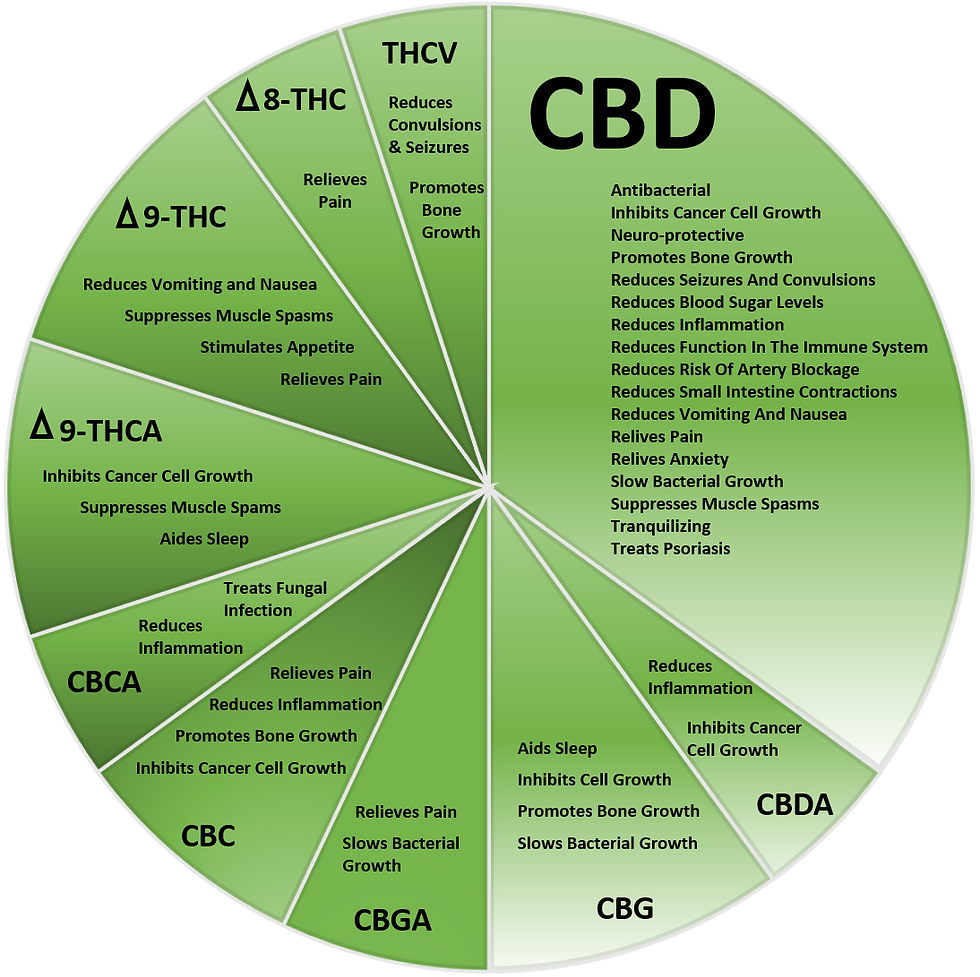
Cannabis is much more than just THC and CBD. Using the whole plant compared to isolated or synthetic active ingredients brings the advantages of synergy and therefore often the need for psychoactive THC (which can bring with it the side effects of intoxication) is lower and the use of the whole plant is therefore safer than isolated or synthetic active ingredients. Other cannabinoids and their acid forms, terpenes and flavonoids, which cannabis contains and which bring many benefits to our health, are also being slowly researched.
When prescribing cannabis as a medicine, we cannot ignore understanding the endocannabinoid system, which is one of the main regulatory systems in our body (but it is often not mentioned in medical books), so in this lecture we will look at the functioning of this system and how cannabis as a whole plant can benefit us.

PROFESSIONAL STUDY DAY 3
26.02.2026
Endocannabinoid System (2 hours)
Dr. Tanja Bagar – SLOVENIA EU
26.02.2026
Treating Patients with Medical Cannabis: Opportunities and Uncertainties (1 hour)
Dr. Mikael Kowal – NETHERLANDS EU
PROFESSIONAL STUDY DAY 4
03.03.2026
Discovery and Function of CB2 Cannabinoid Receptors (1 hour)
Dr. Philip Blair – UNITED STATES OF AMERICA
Recent research has confirmed the presence of functional CB2 receptors (CB2Rs) in the brain, challenging previous beliefs that they were only peripheral receptors. This discovery opens new avenues for therapeutic targeting in CNS disorders.
• Previous studies suggested CB2Rs were absent in the brain, labeling them as peripheral receptors.
• New evidence shows CB2Rs are expressed in microglia and neurons in various brain regions.
• Functional CB2Rs are involved in neuroinflammation and may play a role in treating CNS disorders.
• The debate over the presence of CB2Rs in the brain continues despite substantial evidence supporting their existence.
03.03.2026
Therapeutic Potential of Targeting CB2Rs (1 hour)
Dr. Philip Blair – UNITED STATES OF AMERICA
Targeting CB2Rs presents a promising approach for treating CNS disorders with fewer adverse effects compared to CB1R targeting. This potential is particularly relevant for conditions associated with neuroinflammation.
• CB2R activation is linked to reduced adverse effects compared to CB1R activation.
• CB2Rs are involved in regulating neuroinflammation, which is a key factor in many CNS disorders.
• Research indicates that CB2R agonists may provide therapeutic benefits without intoxicating effects.
• The role of CB2Rs in various disorders, including anxiety, depression, and addiction, is being increasingly recognized.
03.03.2026
Mechanisms of CB2R Signaling in the CNS (1 hour)
Dr. Philip Blair – UNITED STATES OF AMERICA
CB2R signaling involves complex pathways that can influence various physiological and pathological processes in the CNS. Understanding these mechanisms is essential for developing targeted therapies.
• CB2R activation inhibits adenylyl cyclase activity and initiates MAPK and PI3K-Akt pathways.
• The activation of CB2Rs can lead to diverse outcomes, including modulation of metabolism and immune response.
• CB2Rs are primarily expressed post-synaptically and can inhibit postsynaptic neuronal function.
• The inducible nature of CB2Rs during inflammation highlights their potential as therapeutic targets in neuroinflammatory conditions.

PROFESSIONAL STUDY DAY 5
04.03.2026
CB2R-ECS in Addiction and Substance Use Disorders (1 hour)
Dr. Philip Blair – UNITED STATES OF AMERICA
The ECS, particularly CB2Rs, is implicated in the mechanisms of addiction and substance use disorders, including alcohol and drug addiction. Targeting CB2Rs may offer new therapeutic strategies for managing addiction.
04.03.2026
Cross-talk between the Microbiome and the Endocannabinoid System (1 hour)
Dr. Tanja Bagar - SLOVENIA - EU
04.03.2026
Cannabinol (CBN) Ameliorates Age-Related Cognitive Decline by Improving the Health of Synaptic and Mitochondrial Connections (1 hour)
Dr. Pamela Maher UNITED STATES OF AMERICA

PROFESSIONAL STUDY DAY 6
05.03.2026
The Action and Use of THC (2 hours)
Dr. Tina Mele - SLOVENIA - EU
Research often focuses on a single active ingredient due to "simplicity" and reproducibility of results, and so we have quite a bit of research and data on the action of THC, and although the cannabis plant is much more than just THC, to understand its action it is also necessary to know what science has found out about the action of THC itself and its effects. Advantages and disadvantages of THC or dangers and precautions. When is THC beneficial to us in preparations and when is it not.
05.03.2026
The Action and Use of CBD (2 hours)
Dr. Tina Mele - SLOVENIA – EU
CBD, which is a non-psychoactive active ingredient of cannabis, is most often discussed in scientific circles when it comes to certain forms of epilepsy, which is not only anecdotal, but also a scientifically confirmed and very effectively used medicine or preparations in Slovenia.
But CBD also has enormous potential in other areas, such as anxiety. There is also a flood of CBD products on the market that need critical assessment. CBD works in many ways.

PROFESSIONAL STUDY DAY 7
10.03.2026
Drug-Cannabinoid Interactions (1 hour)
Dr. Tanja Bagar - SLOVENIA - EU
10.03.2026
Studies of Prenylated Flavonoids, Terpenes and Other Medicinal Substances in Medical Cannabis (1 hour)
Prof. Dr. Samo Kreft, mag. pharm. - SLOVENIA EU
Studies of Prenylated Flavonoids, Terpenes and Other Medicinal Substances in Medical Cannabis
This lecture outlines the biosynthetic origins and structures of key non-cannabinoid constituents in cannabis. We focus on prenylated flavonoids (e.g., cannflavins) formed via phenylpropanoid–flavonoid pathways with O- and C-prenylation by aromatic prenyltransferases, and on mono-/sesquiterpenes arising from MEP/MVA pathways. We discuss how prenylation modulates physico-chemical, pharmacological properties (lipophilicity, membrane affinity, stability), and summarize processing effects (drying, storage) on profiles. Methods include LC-MS for phenolics and GC-MS for volatiles. Emphasis is on chemovar variability, standardization, and clear chemical nomenclature.
10.03.2026
Acidic and non-acidic cannabinoids as medicinal substances in cannabis (1 hour)
Prof. Dr. Samo Kreft, mag. pharm. - SLOVENIA EU
We examine the chemical system of acidic vs. neutral cannabinoids. CBGA arises from olivetolic acid + GPP; dedicated synthases yield THCA, CBDA, CBCA, which undergo decarboxylation to THC, CBD, CBC. The talk compares structures, tautomerism and isomerization risks, oxidation pathways (e.g., to quinones), and stability under heat, light, oxygen, moisture. We review partitioning/solubility in oils vs. aqueous media, matrix effects in preparations, and practical quantification by HPLC/LC-MS with attention to sample handling to avoid in-vitro decarboxylation. The emphasis is conceptual: biosynthesis–structure–property relationships, labeling that distinguishes acidic/neutral content, and implications for reproducible composition.

PROFESSIONAL STUDY DAY 8
11.03.2026
The use of medical cannabis in the treatment of anxiety (1 hour)
Dr. Kylie O'Brien PhD – AUSTRALIA
In this presentation, Professor O'Brien will discuss how the endocannabinoid system (ECS) is involved in the regulation of stress and emotions, what changes occur in the ECS in anxiety, and why medicinal cannabis might be useful in treating anxiety. The scientific evidence base, including preclinical research and human research investigating the effectiveness/efficacy of medicinal cannabis and several of its key components in anxiety will be explored.
11.03.2026
Role of CB2Rs in Psychiatric Disorders (1 hour)
Dr. Philip Blair - UNITED STATES OF AMERICA
The endocannabinoid system (ECS) and its cannabinoid receptor type 2 (CB2R) are increasingly recognized for their involvement in various psychiatric disorders, including anxiety, depression, and schizophrenia. Research indicates that CB2Rs may serve as potential therapeutic targets for these conditions, although further studies are needed to clarify their roles.
• CB2Rs are expressed in brain regions associated with anxiety, such as the amygdala and hippocampus.
• Studies show that CB2R ligands can modulate anxiety-like behaviors in animal models, with JWH-015 inducing anxiogenic responses and GW405833 showing anxiolytic effects.
• In depression models, CB2R expression levels vary, with some studies indicating increased levels in chronic mild stress (CMS) conditions.
• Alterations in Gene and Protein Expression of Cannabinoid CB2 in Suicide Victims
• Schizophrenia research highlights altered CB2R expression in response to maternal deprivation and psychostimulant exposure, indicating a potential role in psychotic symptoms.
11.03.2026
Methods of cultivation and processing of medical cannabis to ensure clinical quality
(1 hour)
M.Sc. Majda Robić - SLOVENIA EU
The cannabis industry is transitioning from the black market to the legal market, so product development and extraction methods have become a central focus. To date, more than a thousand chemical compounds have been identified in the cannabis plant, all with different chemical properties, the production and preservation of which require high standards, which require different storage conditions during drying and extraction, and first and foremost, healthy, clean and professional cultivation without pesticides, which is key to the healthy and safe use of cannabis, as required by the specifics of the individual disease and patient.
11.03.2026
International introduction to the medical cannabis market and business (1 hour)
M.Sc. Majda Robić - SLOVENIA EU
A global overview of the medical cannabis market is essential for understanding not only the pharmaceutical business but also the treatment and prescription of medical cannabis. The global medical cannabis market, estimated at USD 21.33 billion in 2024, is expected to reach USD 27.81 billion in 2025 and exceed USD 211.54 billion by 2035, representing a 22.5% annual growth rate over the forecast period, is a capital that deeply affects the movements of the local and international economy, the market and import strategies and supplies for the purpose of treatment of an individual country, healthcare and pharmaceuticals, which is still legally very limited and specific.

Medical Cannabis Act for Slovenian Doctors
Charles Kovess, LL.B. (Hons), LL.M., CSP, KSJ - AUSTRALIA
• Prescribe medical cannabis in full compliance with Slovenian law
• Avoid negligence claims with appropriate risk management
• Obtain and document valid informed consent
• Create defensible medical records
• Resolve complications with appropriate legal responses
• Understand international legal complexities
• Meet all regulatory and reporting obligations
KEY TOPICS
• Slovenian legislation on medical cannabis, after the referendum will of the Cannabis for Medical and Scientific Purposes final Act
• EU regulatory frameworks and EMA-approved products
• The four elements of medical negligence and how to prevent them
• Special populations: pediatric, geriatric, pregnancy, psychiatric
• Cannabis-specific informed consent requirements
• Documentation standards and GDPR compliance
• Management adverse effects: poisoning, hyperemesis, use disorder
• Product quality, contamination risks and liability
• International legal models (Canada, USA, Israel, Germany)
• Labor, insurance and employment law issues
UNIQUE VALUE OFFER
This course uniquely combines:
• Legal knowledge from internationally recognized lawyers
• Practical application in everyday clinical practice
• Slovenia-specific content based on new national legislation
• EU perspective for cross-border understanding
• Focus on risk management to protect physicians from liability with the possibility of legal advice in the medical profession
• An approach based on evidence and international experience Legal foundations of medical cannabis in Slovenia and the EU

PROFESSIONAL STUDY DAY 9
12.03.2026
Overview of new Slovenian and European legal regulations
International legal frameworks in the environment of medical cannabis treatment (1 hour)
Charles Kovess, LL.B. (Hons), LL.M., CSP, KSJ - AUSTRALIA
12.03.2026
Professional responsibility and duty of care in medical cannabis
Understanding negligence, standard of care and strategies for preventing liability (1 hour)
Charles Kovess, LL.B. (Hons), LL.M., CSP, KSJ - AUSTRALIA
12.03.2026
Informed consent and patient rights in cannabis treatment
Legal requirements for consent, patient autonomy and documentation (1 hour)
Charles Kovess, LL.B. (Hons), LL.M., CSP, KSJ - AUSTRALIA

PROFESSIONAL STUDY DAY 10
17.03.2026
Documentation Standards and Legal Defense
Creating Legally Sound Medical Records That Protect Both Patient and Physician (1 hour)
Charles Kovess, LL.B. (Hons), LL.M., CSP, KSJ - AUSTRALIA
17.03.2026
Managing Complications, Adverse Events, and Legal Liabilities
Addressing Cannabis-Related Complications, Mandatory Reporting, and Product Liability (1 hour)
Charles Kovess, LL.B. (Hons), LL.M., CSP, KSJ - AUSTRALIA
17.03.2026
International Perspectives and Future Legal Challenges
Global Legal Frameworks, Cross-Border Issues, and Preparing for Regulatory Development (1 hour)
Charles Kovess, LL.B. (Hons), LL.M., CSP, KSJ – AUSTRALIA
18.03.2026 (day 11)
Consultations between lecturers and participants
Expert discussion
19.03.2026 (day 12)
Consultations between lecturers and participants
Expert discussion


Comments